
Call this Tuesday to Get 10% OFF (Maximum $100 Off)
Call this Tuesday to Get 10% OFF (Maximum $100 Off)
24-Hour Emergency Electricians in Greer
Call this Tuesday to Get 10% OFF (Maximum $100 Off)
Call this Tuesday to Get 10% OFF (Maximum $100 Off)
24-Hour Emergency Electricians in Greer
.webp)
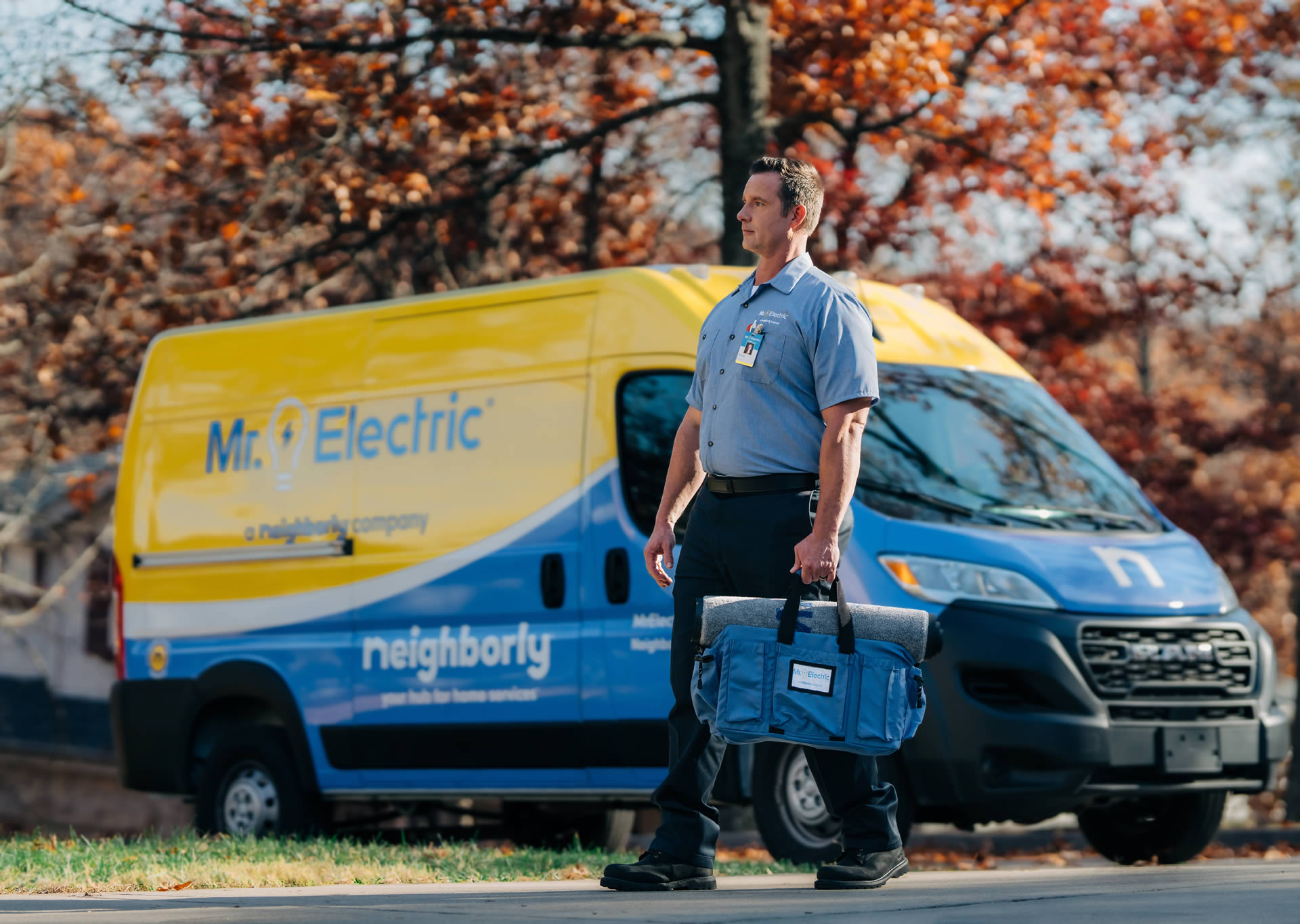
Imagine what life would be like if you could adjust your thermostat, dim the lights, and check who's at the front door, all without leaving the couch. Smart home technology has moved well past novelty gadgets into genuinely useful systems that simplify daily routines and reduce energy waste. What once required separate apps and complicated workarounds now integrates seamlessly when installed with the proper electrical system behind it. Mr. Electric helps local homeowners design and install advanced smart home systems. Here's how smart technology delivers on its promises and what it takes to set your home up for success.
A smart home system connects multiple devices through a central hub or network so they can communicate with each other and respond to your commands. The category includes thermostats, lighting controls, security cameras, door locks, voice assistants, and appliances that accept wireless signals. Each device transmits data through Wi-Fi, Zigbee, Z-Wave, or Bluetooth protocols, depending on the manufacturer's design.
The distinction between a collection of smart gadgets and an actual system comes down to integration. Individual devices can operate in isolation, but a true system allows them to trigger actions across platforms. Your motion sensor can activate lights, adjust the thermostat, and send a notification to your phone simultaneously. That level of coordination requires compatible protocols, adequate network bandwidth, and electrical circuits that handle the load without tripping breakers or dropping signals.
Smart home system installation involves taking a close look at your home's electrical capacity. You may need to position hubs for optimal signal coverage and configure automation routines that match how your household actually operates on a normal day.
Smart technology adds electrical demands that older homes weren't designed to handle. While most smart devices draw minimal power individually, homes with older electrical panels or multiple high-demand appliances can face capacity limits as systems expand. Homes built before 2000 may have 100-amp service panels that struggle to support modern appliances plus a network of smart devices.
Reliable communication between devices depends on clean, consistent power delivery. Voltage fluctuations cause smart hubs to reset, lose programming, and drop connections with peripheral devices. Aging electrical systems can cause reliability problems that affect smart devices, even when wireless signals themselves are working fine. Electricians in Campobello, SC evaluate these conditions during a pre-installation assessment and recommend upgrades when necessary.
Dedicated circuits for high-draw devices prevent overloads that cascade through your smart network. A smart oven or EV charger sharing a circuit with your hub creates competition for power that leads to dropped connections and failed automations. Separating these loads onto individual circuits maintains the stability your system needs to work flawlessly.
Smart lighting systems replace standard switches with dimmers, timers, and motion-activated controls that adjust the illumination based on time of day, occupancy, or voice commands. You can program your lights to simulate occupancy while traveling, wake you gradually with increasing brightness, or sync with entertainment systems for movie night.
Installation requirements vary by fixture type and wiring configuration. Many smart switches require a neutral wire that older homes lack, which limits compatibility unless an electrician runs new wiring to the switch box. Three-way switches controlling a single fixture from multiple locations need specialized smart switches designed for that configuration.
LED bulbs paired with smart dimmers use a fraction of the electricity that incandescent fixtures consume, and automated schedules eliminate the waste of lights burning in empty rooms. Homeowners who replace their entire lighting system with smart controls can reduce lighting-related energy costs by 30 to 50 percent.
Connected security systems deliver real-time alerts, live video feeds, and remote control through smartphone apps. Video doorbells show visitors before you answer. Smart locks generate temporary access codes for guests and contractors. Motion sensors distinguish between pets and intruders to reduce false alarms.
These devices transmit data constantly, which makes network security essential. Each connected camera or sensor represents a potential access point for hackers if default passwords remain unchanged or firmware goes without updates. Strong encryption, unique passwords, and regular software updates protect your system from unauthorized access.
Professional smart home system installation includes positioning cameras for optimal coverage, configuring alert sensitivity, and integrating sensors with your central hub. Electricians make sure cameras receive adequate power and that doorbell transformers output sufficient voltage for video units. A properly installed security system provides genuine peace of mind because you can verify what's happening at home from anywhere with cell service.
Smart home technology evolves rapidly, and the system you install today should accommodate devices that haven't hit the market yet. Building flexibility into your initial setup prevents expensive retrofitting later. Run conduit through walls during construction or renovation to create pathways for future wiring. Install junction boxes in locations where you might add sensors or controls.
It’s better to choose a hub that works with multiple communication protocols instead of tying yourself to one manufacturer’s ecosystem. Platforms by major tech companies allow devices from different brands to communicate more easily and help avoid compatibility issues as your system grows.
Electrical service capacity matters for long-term planning, too. A 200-amp panel provides headroom for EV chargers, additional smart appliances, and home battery systems that pair with solar installations. Upgrading service during initial installation costs less than returning for a separate project when your needs outgrow your panel's capacity.
Smart home technology offers comfort, control, and better security when your electrical system supports it. Mr. Electric's electricians can provide every phase of planning and installation so your devices work together from day one. Give our team a call today to schedule a consultation and build a smart home that performs as promised.
.webp) Feb 02, 2026
Feb 02, 2026
Imagine what life would be like if you could adjust your thermostat, dim the lights, and check who's at the front door, all…
Read More +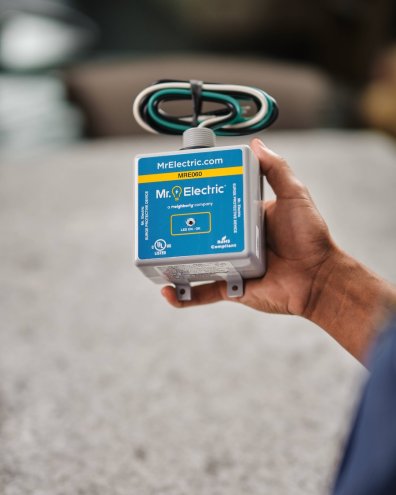 Jan 26, 2026
Lightning doesn't have to strike your house to fry your electronics. A hit anywhere on the power grid can send a damaging surge…
Read More +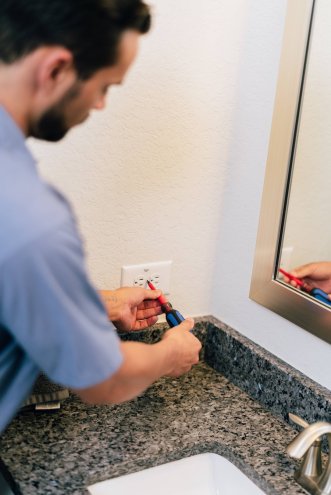 Jan 17, 2026
Swapping out an old outlet seems like a simple job until you start wondering whether you need a permit for it. The rules…
Read More +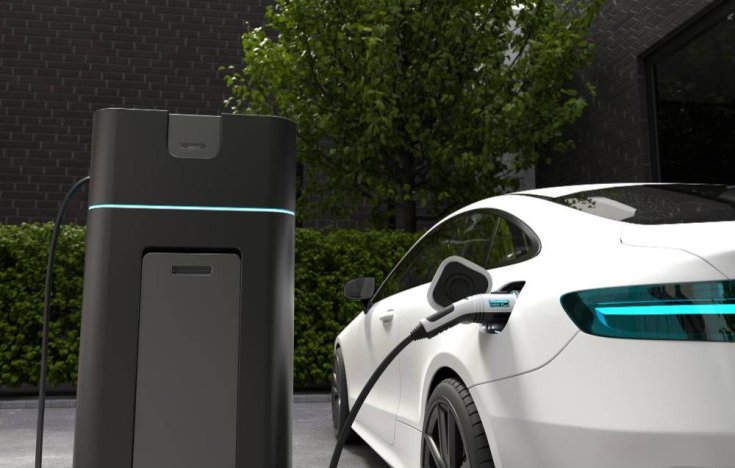 Jan 11, 2026
You made the leap to an electric vehicle expecting convenience and savings, but if you're still relying on public charging stations to keep…
Read More +